
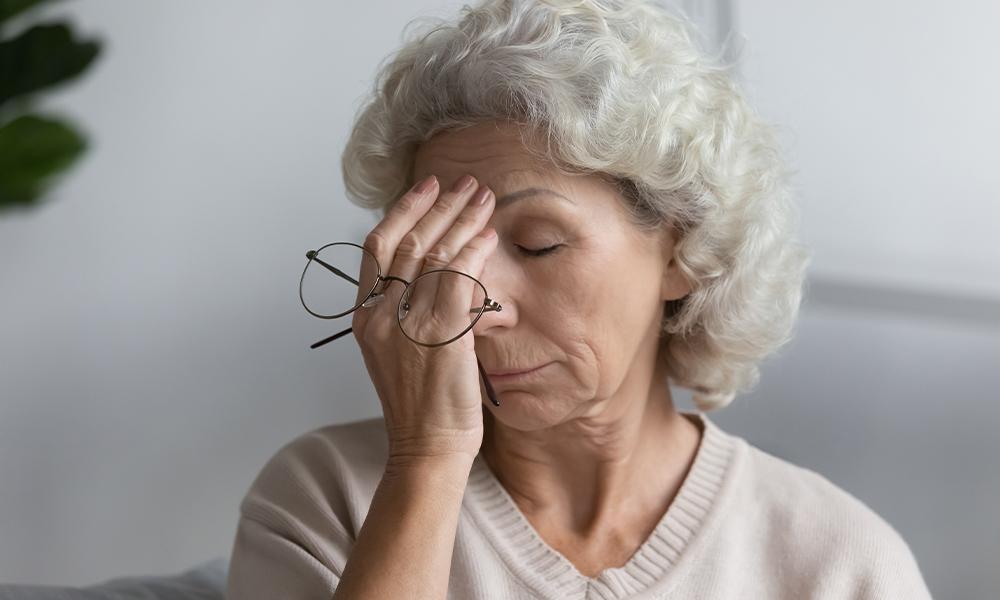
Hearing loss is often treated as a minor inconvenience of aging, something to work around rather than something to actively address. A growing body of research suggests that’s the wrong way to think about it. Untreated hearing loss has been consistently linked to faster cognitive decline, higher dementia risk, social isolation, and even increased fall risk, making it one of the more overlooked, and most modifiable, risk factors in healthy aging.
This article explains what the research actually shows about the connection between hearing loss and cognitive health, why the link exists, and what steps patients can take to protect both their hearing and their long-term cognitive function.
What the Research Shows About Hearing Loss and Dementia Risk
Several large, long-term studies have found that adults with untreated hearing loss experience cognitive decline faster than those with normal hearing, and that the risk of developing dementia increases with the severity of hearing loss. One widely cited analysis identified hearing loss as one of the largest modifiable risk factors for dementia, ahead of many other lifestyle factors that receive far more public attention.
It’s important to be precise about what this research shows: hearing loss is associated with increased risk, not a guaranteed cause of dementia, and the relationship is still being actively studied. But the consistency of the finding across multiple large studies, combined with several plausible biological explanations, has made hearing health a growing priority in preventive and geriatric medicine rather than an afterthought handled separately from overall health.
Why Hearing Loss May Contribute to Cognitive Decline
Researchers have proposed several mechanisms to explain the connection, and they likely work together rather than independently. One theory is cognitive load: when hearing is impaired, the brain has to devote more resources to simply processing sound and filling in gaps in speech, leaving fewer cognitive resources available for memory and other higher-level thinking tasks. Over years, this sustained extra effort may accelerate measurable cognitive decline.
A second theory involves brain structure itself. Reduced auditory input appears to be associated with changes in brain regions responsible for processing sound, and some research suggests this may extend to areas involved in memory as well, potentially through a “use it or lose it” effect on neural pathways. A third and particularly important mechanism is social isolation, since hearing loss makes conversation more effortful and frustrating, and many people respond by gradually withdrawing from social situations altogether, and social isolation is itself an independent, well-established risk factor for cognitive decline.
Hearing Loss, Social Isolation, and Depression
The social consequences of untreated hearing loss are often underestimated. Struggling to follow conversations in groups, at restaurants, or over the phone leads many people to avoid these situations rather than deal with the frustration and embarrassment of frequently asking others to repeat themselves. Over time, this withdrawal can significantly shrink a person’s social world, cutting off exactly the kind of regular social engagement that research consistently links to better cognitive and emotional health in older adults.
This pattern also contributes to depression, which is more common in adults with untreated hearing loss than in those with normal hearing or those who use hearing aids. The combination of social withdrawal, communication frustration, and reduced mood creates a cycle that can be difficult to break without directly addressing the underlying hearing impairment, which is one of the many reasons a comprehensive, whole-person approach to aging matters, the kind of connected thinking behind how multiple doctors can be managed without losing the thread of your care when several health issues are interacting at once.
Hearing Loss and Fall Risk
Hearing plays a bigger role in balance than most people realize, both through the inner ear’s role in the vestibular system and through the auditory cues that help with spatial awareness. Studies have found that even mild hearing loss is associated with a meaningfully increased risk of falls, likely because reduced auditory input demands more cognitive attention that would otherwise go toward maintaining balance and reacting to one’s surroundings.
This connection matters for anyone evaluating overall fall risk as part of routine geriatric care, since hearing is a factor that’s easy to overlook in a standard balance assessment but can meaningfully contribute to the bigger picture, alongside more commonly discussed factors like sarcopenia and muscle loss.
Why Early Evaluation and Treatment Matter
The encouraging part of this research is that hearing loss is one of the more treatable risk factors in the aging process. Hearing aids and other interventions don’t just restore the ability to hear, growing evidence suggests they may also help slow the pace of cognitive decline in people with hearing loss, likely by reducing cognitive load, supporting continued social engagement, and lowering fall risk.
Despite this, hearing loss remains significantly underdiagnosed and undertreated, in part because it develops gradually and is easy to attribute to the normal course of aging rather than something worth formally evaluating. Many adults wait years after first noticing symptoms before seeking an evaluation, time during which the downstream effects on cognition, mood, and social engagement continue to accumulate.
Addressing Hearing Health in Coppell, TX
Hearing loss deserves the same proactive attention as blood pressure, cholesterol, or blood sugar, not because hearing itself is the only concern, but because of how deeply it’s connected to cognitive health, mood, and safety as people age. A formal hearing evaluation is a simple, low-risk step that can meaningfully change the trajectory of a patient’s long-term health.
Dr. Divya Javvaji and the team at Prime MD Plus in Coppell, TX incorporate hearing health into comprehensive geriatric care, recognizing its connection to cognitive function, fall risk, and overall quality of life. If you or a loved one has noticed increasing difficulty following conversations, turning up the television louder than others prefer, or withdrawing from social situations that once felt comfortable, raising hearing health at your next visit is a meaningful place to start.
Frequently Asked Questions
Does hearing loss cause dementia?
Research shows a strong association between untreated hearing loss and increased dementia risk, but it has not been proven to directly cause dementia. It’s considered one of the largest modifiable risk factors identified so far.
Can hearing aids reduce the risk of cognitive decline?
Some research suggests that treating hearing loss with hearing aids may help slow cognitive decline, likely by reducing the extra cognitive effort required to process sound and by supporting continued social engagement.
What are early signs of hearing loss to watch for?
Common early signs include frequently asking others to repeat themselves, turning up the volume on the television or phone, difficulty following conversations in noisy environments, and withdrawing from group social situations.
How often should hearing be evaluated as part of routine care?
There’s no universal rule, but adults over 60, or anyone noticing changes in their hearing, should discuss a hearing evaluation with their primary care physician as part of routine preventive care.