
Most people accept, in a general way, that diet affects health. Eat better, live longer, the message has been around long enough that it’s become background noise. But the more immediate question, whether what you eat today changes how you feel tomorrow, gets less attention, and the answer is more concrete than most people expect.
The connection between food and daily wellbeing isn’t just about long-term disease risk. It runs through energy, mood, concentration, sleep, pain levels, and the kind of low-grade inflammation that makes everything harder without producing a diagnosis. And it works faster than most people realize.
How Food Affects Energy, and Why It’s Not Just About Calories
Energy is the most immediate way most people experience the food-mood connection, and it’s also the most misunderstood. The common assumption is that more food equals more energy. But the type and timing of what you eat matters at least as much as the quantity.
Foods high in refined carbohydrates and added sugars produce rapid spikes in blood glucose followed by equally rapid drops. That drop, the familiar mid-afternoon crash, isn’t a willpower problem. It’s a physiological response to a blood sugar roller coaster that the body didn’t evolve to handle multiple times a day. The result is fatigue, difficulty concentrating, irritability, and cravings for more of the same foods that caused the problem.
Foods higher in protein, fiber, and healthy fats produce slower, more stable blood sugar responses. They don’t generate the same spike-and-crash cycle, which means energy levels stay more consistent across the day. This isn’t a theory, it’s measurable in blood glucose curves, and the subjective experience of stable energy versus the post-lunch slump reflects real metabolic differences.
The Gut-Brain Axis and Mood
The relationship between what you eat and how you feel emotionally is more direct than most people realize, and it runs through the gut. The digestive system contains an enormous network of neurons, sometimes called the second brain, and produces roughly 90 percent of the body’s serotonin. The bacteria that live in the gut influence how that serotonin is produced and regulated, which means the composition of your microbiome has a measurable effect on mood.
Diets rich in diverse plant foods, vegetables, legumes, whole grains, fruits, feed the beneficial bacteria that support neurotransmitter production and reduce inflammatory signals. Diets dominated by ultra-processed foods do the opposite, reducing microbial diversity and promoting the kind of gut inflammation that sends dysregulated signals to the brain. The practical result is that people who shift toward more whole, diverse foods often report mood improvements that precede any significant weight change, because the gut-brain pathway responds faster than the scale does.
This is one of the reasons holistic care treats nutrition as a clinical tool rather than a lifestyle recommendation. Food changes the biochemical environment that mood, cognition, and inflammation operate within, and that’s a medical fact worth taking seriously.
Inflammation: The Hidden Driver of How You Feel
Chronic low-grade inflammation is one of the more important concepts in modern medicine, and diet is one of its primary drivers. Inflammation isn’t always dramatic, it doesn’t have to involve pain or swelling to affect how you feel. It can manifest as fatigue, brain fog, joint stiffness, poor sleep, and a general sense of not quite feeling right that’s hard to articulate.
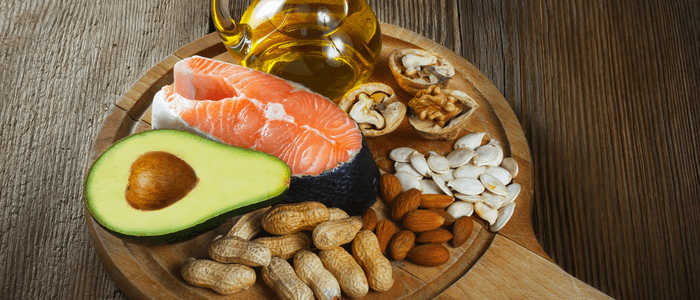
Ultra-processed foods, refined vegetable oils, excess sugar, and alcohol all promote inflammatory signaling. On the other side, certain foods consistently reduce inflammatory markers, fatty fish rich in omega-3s, leafy greens, berries, olive oil, nuts, and turmeric. The evidence behind specific foods and their effects on brain health and inflammation is explored in 5 Foods That Can Improve Your Memory, and the same mechanisms that protect cognitive function also reduce systemic inflammation more broadly.
The timeline is faster than people expect. Studies measuring inflammatory markers in people who switch from a processed-food-heavy diet to a whole-food diet show measurable reductions within weeks. The subjective experience, less joint stiffness, clearer thinking, more consistent energy, often precedes the lab result.
Sleep and Food: A Two-Way Street
What you eat affects how you sleep, and how you sleep affects what you eat. Both directions matter.
Heavy meals close to bedtime, particularly those high in fat or protein, require significant digestive work that can disrupt sleep quality. Alcohol, often used as a sleep aid, actually fragments sleep architecture, reducing time spent in the deeper, restorative stages. Caffeine consumed after early afternoon delays sleep onset in ways that many people underestimate.
On the other side, certain nutrients support sleep, magnesium, found in leafy greens, nuts, and seeds, plays a role in the regulation of the sleep-wake cycle. Tryptophan, an amino acid found in turkey, eggs, and dairy, is a precursor to serotonin and melatonin. These aren’t miracle supplements, they’re arguments for a varied diet that doesn’t consistently exclude the foods that contain them.
Sleep deprivation, in turn, drives hormonal changes that increase appetite, particularly for high-calorie, high-carbohydrate foods, and reduce the capacity for impulse control. The cycle between poor diet, poor sleep, and worsening diet is well documented and genuinely difficult to break without addressing both sides simultaneously.
Pain and Inflammation
For people managing chronic pain, arthritis, back pain, fibromyalgia, diet is often an underused lever. The inflammatory pathways that drive joint pain and tissue sensitivity are directly influenced by what you eat. An anti-inflammatory diet doesn’t replace medical treatment for chronic pain conditions, but it changes the inflammatory environment those conditions operate in, and for some patients, meaningfully reduces the level of pain they experience day to day.
This is the kind of whole-body thinking that sits at the core of holistic care, not eliminating medication, but using every available tool, including food, to give the body the best possible conditions to function in.
The Practical Question: How Quickly Does It Work?
The timeline varies by what you’re trying to change. Energy and blood sugar stability can improve within days of reducing refined carbohydrates and increasing protein and fiber. Mood and gut-related changes typically take two to four weeks to become noticeable as the microbiome begins to shift. Inflammatory markers take longer, weeks to months, though subjective improvements often come sooner than the lab results.
None of this requires a dramatic overhaul. The research consistently shows that adding more whole foods, more vegetables, more legumes, more fish, more varied plant sources, produces benefits even without perfect dietary adherence. The direction of change matters more than achieving an ideal.
Food Is Information
At Prime MD Plus in Coppell, TX, Dr. Divya Javvaji works with patients across the Dallas-Fort Worth area who want to understand how lifestyle factors, including nutrition, are affecting how they feel day to day. Holistic care means looking at food not as a moral category but as information the body receives and responds to, and using that understanding to build a plan that actually works. If you’re ready to explore what that looks like for you, reach out to schedule an appointment.