Aging well is one of those phrases that gets used often without much precision about what it actually means. It shows up in supplement advertisements, wellness content, and motivational quotes, usually attached to images of vigorous older adults hiking or laughing at dinner tables. The implication is that healthy aging is something that happens to fortunate people, a result of good genes, good luck, or the right product.
The reality is more grounded and more actionable than that. Healthy aging has a clinical definition, a set of measurable components, and a body of evidence about what actually drives it. None of it involves perfection, and very little of it is outside the reach of most people who engage with it deliberately.
What Healthy Aging Actually Means
In clinical medicine, healthy aging is defined not as the absence of disease, most people over 65 have at least one chronic condition, but as the maintenance of physical and cognitive function, independence in daily life, and quality of life as those conditions are managed over time.
The World Health Organization defines it as the process of developing and maintaining functional ability that enables wellbeing in older age. That framing is useful because it shifts the focus from disease to function. The goal isn’t to avoid every diagnosis, it’s to preserve the capacity to do what matters: to move, to think, to connect with other people, to participate in daily life on your own terms.
By that definition, someone managing well-controlled diabetes and hypertension who is cognitively sharp, physically active, socially engaged, and living independently is aging well. Someone with no formal diagnoses who is sedentary, isolated, cognitively declining, and dependent on others for daily tasks is not.
The Physical Dimension
Physical function is the most visible component of healthy aging, and it’s also the most modifiable. The changes that make physical aging feel inevitable, loss of muscle mass, declining strength, reduced balance, slower recovery from illness or injury, are partly biological but substantially influenced by behavior.
Muscle mass declines at roughly 3 to 5 percent per decade after 30, and the rate accelerates after 60. This process, sarcopenia, is the primary driver of the weakness, fatigue, and functional decline that most people associate with old age. It is not fully preventable, but it is substantially modifiable through resistance training. Studies in adults well into their 80s and 90s show meaningful gains in muscle mass and strength from structured exercise programs. The floor isn’t fixed.
Cardiovascular fitness follows a similar pattern. Aerobic capacity declines with age but responds to training at every age. A sedentary 70-year-old who begins regular aerobic exercise will improve their cardiovascular function measurably, not to the level of a trained 40-year-old, but significantly beyond where they started. That improvement translates to lower cardiovascular risk, better metabolic health, improved mood, and better cognitive function.
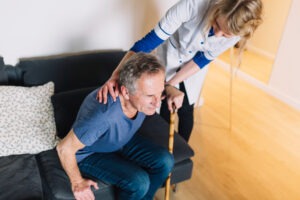
Balance and fall prevention deserve specific attention. Falls are the leading cause of injury-related death in adults over 65, and they’re not random events, they’re the visible endpoint of underlying deficits in strength, reaction time, sensory function, and medication effects that can be identified and addressed before a fall occurs. A balance assessment is one of the most practical tools for understanding fall risk before it produces harm.
The Cognitive Dimension
Cognitive health is the second major pillar, and it’s where fear about aging tends to concentrate. The concern about dementia is real and legitimate, it’s one of the most feared outcomes of aging, and rates do increase with age. But the trajectory toward cognitive decline is not fixed, and the factors that influence it are more modifiable than most people realize.
Cardiovascular risk factors, hypertension, diabetes, high cholesterol, obesity, smoking, are among the strongest modifiable predictors of cognitive decline and dementia. Managing them well in midlife and beyond is brain protection as much as it is heart protection. The same blood vessels that supply the heart supply the brain, and vascular damage that accumulates over years affects cognitive function in ways that are measurable long before a dementia diagnosis.
Sleep is underappreciated in its role in cognitive health. The brain’s waste clearance system operates primarily during sleep, removing the metabolic byproducts, including amyloid and tau proteins, that accumulate in neurodegenerative disease. Chronic sleep deprivation impairs this process and is associated with elevated dementia risk in longitudinal studies.
Physical exercise has direct cognitive benefits independent of its cardiovascular effects, it stimulates neurogenesis in the hippocampus, increases BDNF (a protein that supports neuron survival and growth), and reduces neuroinflammation. Cognitive engagement, continued learning, social interaction, intellectually stimulating activity, builds cognitive reserve that makes the brain more resilient to the changes that aging and disease produce.
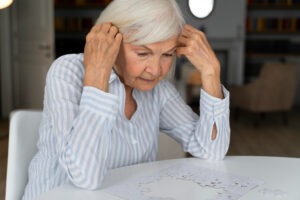
Understanding the early signs of Alzheimer’s matters in this context not to create anxiety but to reduce the gap between when changes begin and when they’re evaluated, because early evaluation opens options that later evaluation doesn’t.
The Social Dimension
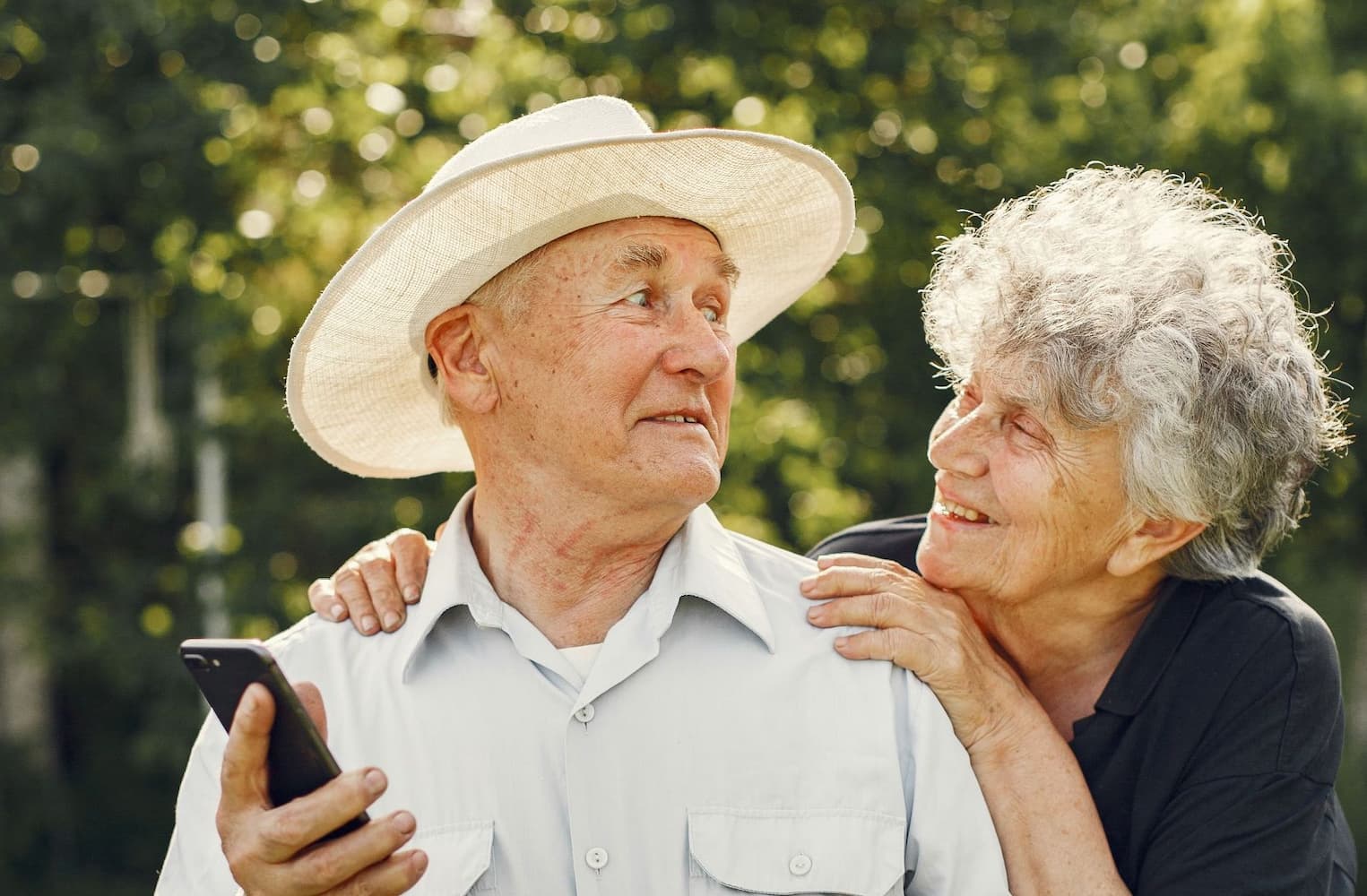
Social connection is one of the most robust predictors of healthy aging in the research literature, and one of the most underemphasized in clinical settings. Loneliness and social isolation are associated with cognitive decline, cardiovascular disease, depression, and all-cause mortality in ways that rival the effects of smoking in some studies.
This isn’t simply about having people around. It’s about meaningful connection, relationships that involve genuine engagement, shared purpose, and mutual support. The mechanism runs through multiple pathways: social engagement stimulates cognitive function, provides behavioral accountability, reduces chronic stress, and activates reward pathways that support mental health.
For older adults whose social networks have contracted through retirement, relocation, or the loss of peers and spouses, actively rebuilding social connection is a health intervention as real as any other. The clinical conversation about healthy aging should include it.
The Medical Dimension
Healthy aging doesn’t happen in isolation from medical care. It requires a physician who looks at the full picture, not just individual conditions managed separately, but how they interact, how medications affect function and cognition, what screenings are appropriate at each stage, and how treatment targets should be calibrated for an older adult rather than simply applied from guidelines designed for younger populations.
Preventive care in this context means ongoing, proactive attention to the factors that drive aging trajectories, blood pressure, blood sugar, lipids, bone density, cognitive function, physical function, medication burden, not just reactive treatment of what’s already gone wrong. Medication management means ensuring that the drugs being taken to manage conditions aren’t themselves undermining the function and independence they’re supposed to protect. Geriatric care means having a physician whose training is specifically matched to the complexity that aging produces.
It Starts Earlier Than Most People Think
One of the most consistent findings in aging research is that the determinants of how well someone ages in their 70s and 80s are largely established in their 50s and 60s. The lifestyle choices, the medical relationships, the attention to cardiovascular and metabolic risk, the exercise habits and sleep patterns and social engagement, all of these have compounding effects over time that show up decades later.
This doesn’t mean that change later in life doesn’t matter, it does, and it’s never too late to benefit from moving in a better direction. But the most leverage exists earlier than most people act on it.
Aging Well Is a Practice, Not a Destination
At Prime MD Plus in Coppell, TX, Dr. Divya Javvaji works with adults across the Dallas-Fort Worth area who want a physician whose approach to care is oriented toward healthy aging, proactive, comprehensive, and genuinely focused on preserving function and independence over the long term. With board certification in both internal medicine and geriatrics, she brings the training and the perspective that aging well actually requires. Reach out to schedule an appointment.