Frailty is one of those words that gets used loosely, as a synonym for old, or weak, or fragile, without much precision about what it actually means clinically. But frailty has a specific medical definition, and that definition matters because frailty is both measurable and, to a meaningful degree, reversible. It’s not an inevitable endpoint of aging. It’s a syndrome with identifiable causes, a recognizable trajectory, and real opportunities for intervention.
Understanding what frailty actually is, and what can be done about it, is one of the more practically useful things an older adult or their family can know.
What Frailty Actually Means
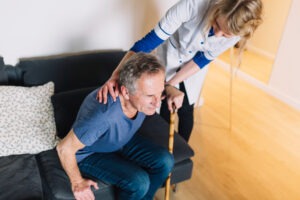
In clinical medicine, frailty refers to a state of decreased physiological reserve and increased vulnerability to stressors, a reduced capacity to maintain function in the face of illness, injury, or other demands. A frail older adult who develops pneumonia, undergoes surgery, or experiences a fall faces a much higher risk of serious complications, prolonged recovery, and permanent functional decline than a non-frail adult of the same age with the same diagnosis.
The most widely used clinical framework defines frailty through five criteria: unintentional weight loss, exhaustion, weakness, slow walking speed, and low physical activity. Meeting three or more of these criteria indicates frailty. Meeting one or two indicates pre-frailty, a state where intervention is particularly effective because the trajectory hasn’t yet fully established itself.
A related framework looks at frailty as an accumulation of deficits, the more health problems, functional limitations, and geriatric syndromes a person has, the higher their frailty index. Both approaches capture something real, and both are useful in different clinical contexts.
What Causes Frailty
Frailty isn’t caused by any single factor. It develops through the interaction of several processes that often reinforce each other.
Sarcopenia, loss of muscle mass and strength, is the most central biological driver. Muscle mass declines naturally with age, but the rate of decline accelerates when physical activity decreases, protein intake is inadequate, or hormonal changes go unaddressed. Sarcopenia reduces functional capacity directly, increases fall risk, and slows recovery from illness. It is both a cause and a consequence of frailty, weaker muscles make activity harder, reduced activity accelerates muscle loss, and the cycle continues.
Chronic inflammation plays a significant role. The low-grade systemic inflammation that accumulates with age, driven by adipose tissue, immune dysregulation, and chronic disease, suppresses muscle protein synthesis and accelerates muscle breakdown. This is one of the biological pathways connecting chronic disease to functional decline in older adults.
Nutritional deficiencies contribute meaningfully. Protein intake is frequently inadequate in older adults, partly because appetite decreases with age and partly because social isolation reduces the motivation to prepare and eat full meals. Deficiencies in vitamin D, B12, and other micronutrients compound the physiological vulnerability that drives frailty.
Polypharmacy and medication burden are underappreciated contributors. Certain medications, sedatives, some blood pressure drugs, anticholinergics, directly affect balance, muscle function, and energy in ways that accelerate functional decline. A medication regimen that made sense for a healthier, younger patient may be actively contributing to frailty in an older one, which is why medication management is a clinical priority in frail older adults.
Chronic disease burden, managing multiple conditions simultaneously, places ongoing metabolic and physiological demand on a body with reduced reserve. Heart failure, diabetes, COPD, and chronic kidney disease each independently contribute to functional decline and increase frailty risk when they’re not well managed.
The Consequences of Frailty
Frailty matters clinically because it is a powerful predictor of adverse outcomes, independent of age and diagnosis. Frail older adults have higher rates of hospitalization, longer hospital stays, more complications from surgery and illness, greater risk of permanent functional decline after acute events, and higher mortality.
Falls are one of the most immediate consequences. Frailty affects balance, reaction time, and the ability to recover from a stumble, turning what would be a recoverable loss of balance in a non-frail person into a fall. Falls in frail older adults are more likely to cause fractures, and fractures are more likely to result in prolonged disability. Understanding how seniors can improve their balance is directly relevant here, balance training is one of the most effective interventions for reducing fall risk in this population.
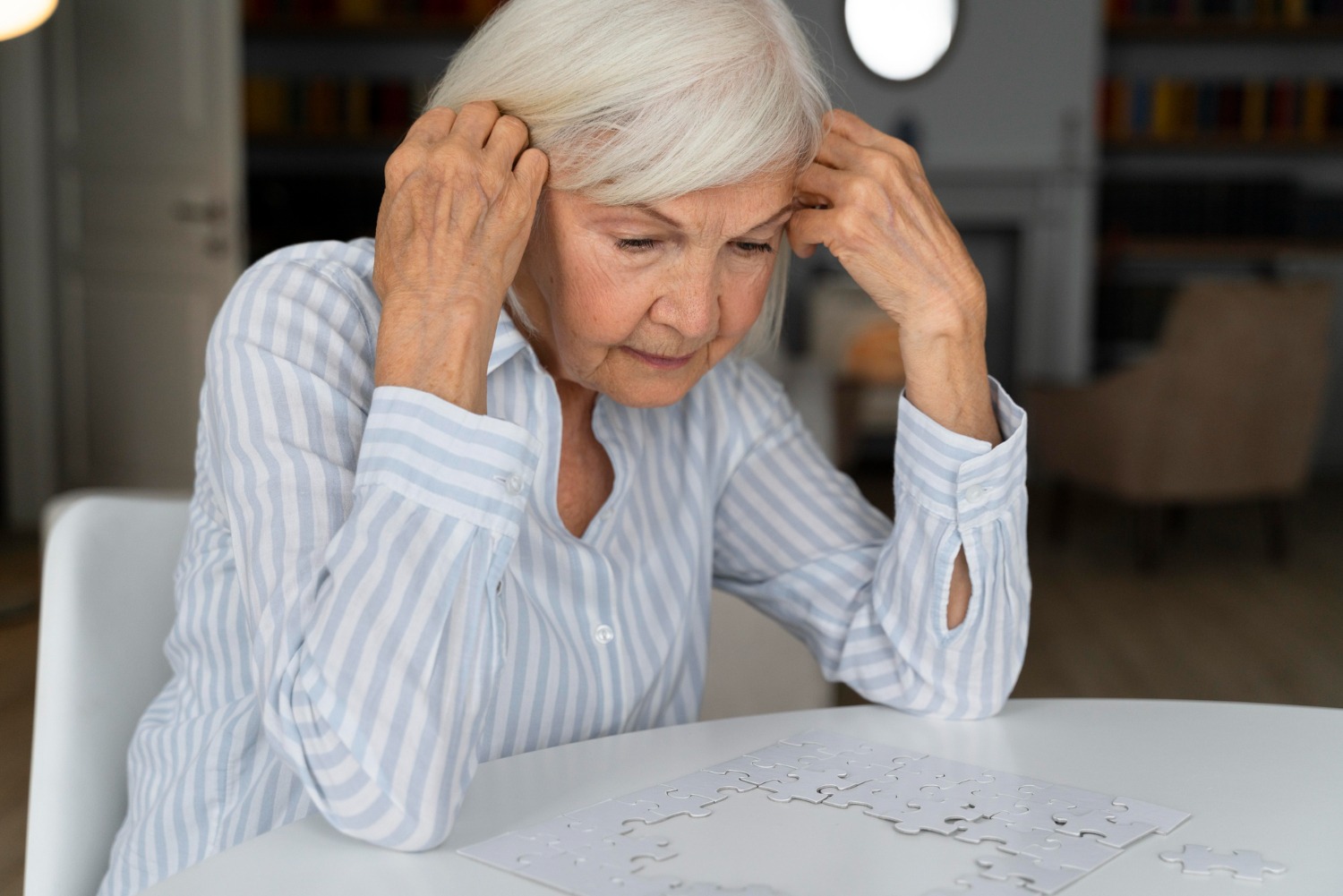
The interaction between frailty and cognitive function also runs in both directions. Cognitive impairment increases frailty risk, and frailty increases the risk of cognitive decline. For families noticing both physical and cognitive changes in an aging parent, understanding this relationship, and the importance of recognizing early signs of Alzheimer’s and other forms of cognitive decline, provides useful context for what they’re observing.
Can Frailty Be Reversed?
The short answer is yes, particularly at the pre-frailty stage, and meaningfully even in established frailty, when the right interventions are applied.
Exercise is the most powerful intervention.
Resistance training, lifting weights, using resistance bands, bodyweight exercises, directly builds muscle mass and strength, reversing the sarcopenia that sits at the core of physical frailty. Studies in adults well into their 80s and 90s show meaningful gains in muscle mass and functional capacity from structured resistance training. Aerobic exercise improves cardiovascular fitness and endurance. Balance training reduces fall risk. The combination of all three, tailored to an individual’s current capacity, produces the most substantial functional improvements.
Nutritional intervention matters.
Adequate protein intake, typically higher than standard recommendations for older adults, is essential for muscle protein synthesis. Vitamin D and calcium support bone health and muscle function. Addressing identified deficiencies produces measurable improvements in physical performance.
Medication review and simplification.
Removing or reducing medications that contribute to fatigue, weakness, or balance problems can produce significant functional improvements relatively quickly. This is one of the most high-yield and underutilized interventions in frail older adults.
Treating underlying conditions.
Managing chronic diseases more effectively, particularly conditions that drive inflammation, affect nutrition, or limit physical activity, removes contributors to frailty that perpetuate the cycle.
Social engagement and cognitive stimulation.
Social isolation is an independent risk factor for frailty, and addressing it, through structured activity, community engagement, or targeted support, has measurable effects on physical and cognitive function.
The Window for Intervention
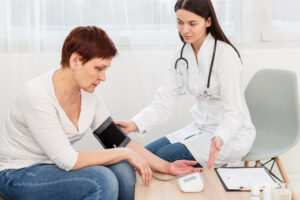
The pre-frailty stage is where intervention is most effective and most efficient. Identifying it early, before the full syndrome has established itself, is the difference between reversing a trajectory and managing an established syndrome. This is one of the core functions of a comprehensive geriatric care assessment: identifying functional decline at a stage where the direction of travel can still be changed.
For families watching a parent slow down, lose weight, or become less active than they used to be, that trajectory is worth taking seriously before it progresses further. The changes that look like normal aging are sometimes the early stages of a syndrome that, with the right attention, doesn’t have to continue in the same direction.
Frailty Is Not the Final Word
At Prime MD Plus in Coppell, TX, Dr. Divya Javvaji provides comprehensive geriatric care for older adults across the Dallas-Fort Worth area, including frailty assessment, functional evaluation, and individualized intervention plans that address the specific drivers of decline in each patient. If you or a family member has been losing ground physically and nobody has looked carefully at why, that evaluation is worth having. Reach out to schedule an appointment.