
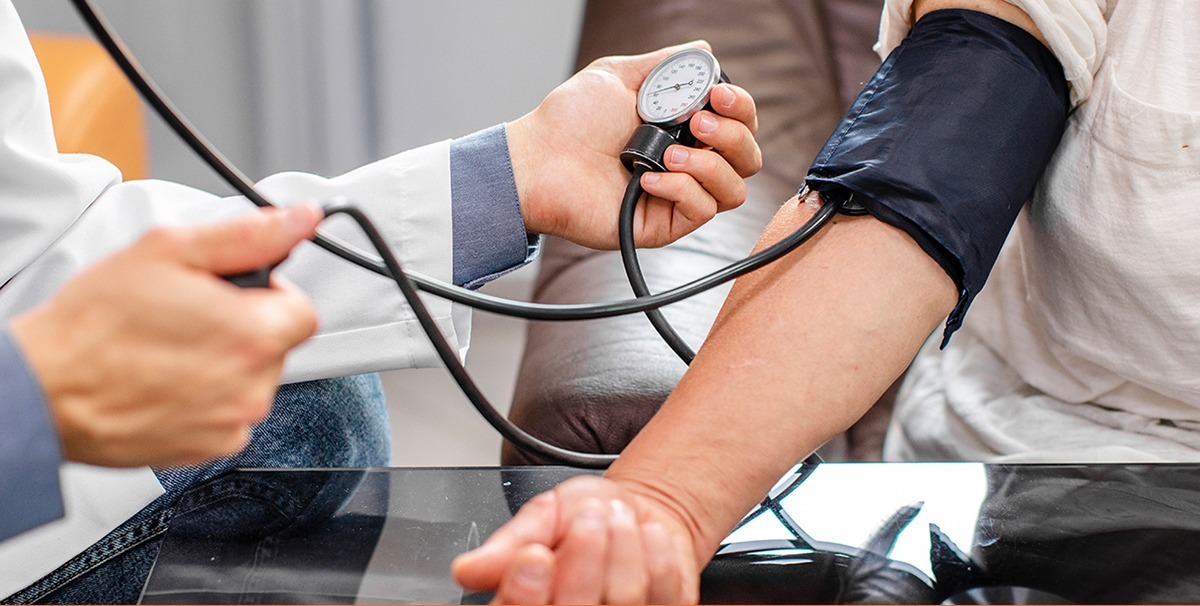
Most people glance at a blood pressure reading, see whether it says “normal” or “high,” and move on. But that single cuff reading carries a lot more information than a pass-or-fail grade. The gap between the top and bottom numbers, how the reading changes between arms, and how it compares to your last few visits can all point to things going on well beyond your blood pressure itself. A reading that looks only slightly off can be the first sign of a problem that hasn’t caused any symptoms yet, which is exactly why it gets checked at nearly every visit.
The Two Numbers Measure Different Things
The systolic number (the top one) reflects the pressure in your arteries when your heart contracts and pushes blood out. The diastolic number (the bottom one) reflects the pressure when your heart relaxes between beats. A rising systolic number over time often points to stiffening arteries, a normal part of aging but one that accelerates with untreated high blood pressure. A persistently high diastolic number, especially in younger adults, can suggest the arteries themselves are under strain even when the heart is at rest. Your doctor reads these two numbers together, not separately, because the relationship between them often says more than either number alone.
A Wide Pulse Pressure Is Its Own Signal
The difference between the systolic and diastolic numbers is called pulse pressure, and when it gets too wide, it’s worth attention. A wide pulse pressure is often a sign of reduced arterial flexibility and is associated with a higher risk of heart disease, even when both individual numbers look acceptable on their own. This is one of the reasons a routine physical involves more than a single blood pressure check; your doctor is tracking patterns, not just isolated numbers.
One High Reading Doesn’t Always Mean Hypertension
Blood pressure naturally fluctuates based on stress, caffeine, physical activity, and even the anxiety of being in a medical office, a phenomenon doctors call white coat syndrome. That’s why a single elevated reading usually isn’t enough to diagnose high blood pressure. Your doctor will typically want to see a pattern across multiple visits, or ask you to track readings at home, before making a diagnosis. This kind of pattern-tracking is part of what makes preventive care so valuable: it catches trends that a single snapshot would miss entirely.
What an Irregular Heartbeat During the Reading Can Mean
Modern blood pressure cuffs often flag an irregular pulse during the reading, and that flag is worth taking seriously. An irregular rhythm can be an early indicator of atrial fibrillation, a condition that significantly raises stroke risk if left unmanaged. Your doctor may follow up with an EKG or a referral for further heart monitoring if this comes up during a routine check, even if you haven’t noticed any symptoms like palpitations or shortness of breath.
Blood Pressure Differences Between Arms Matter
Checking blood pressure in both arms isn’t just thoroughness for its own sake. A significant, consistent difference between the two readings can point to narrowing or blockage in one of the arteries supplying that arm, and in some cases it has been linked to a higher risk of cardiovascular disease overall. It’s a quick check, but it can surface something that a single-arm reading would never reveal.
How Blood Pressure Connects to Kidney and Metabolic Health
High blood pressure rarely stays contained to the cardiovascular system. Over time, it can damage the small blood vessels in the kidneys, reducing their ability to filter waste efficiently. It’s also closely linked with metabolic syndrome, a cluster of conditions that includes high blood sugar and unhealthy cholesterol levels and that significantly raises the risk of diabetes and heart disease. This is part of why an elevated blood pressure reading often prompts your doctor to order bloodwork rather than treating it as an isolated issue.
Why Context Changes Everything
A blood pressure reading means something different depending on your age, your other health conditions, and your medication list. A reading that would be unremarkable for one patient might prompt immediate follow-up for another. This is where having a consistent primary care relationship pays off: a doctor who already knows your history and your baseline can interpret a new reading far more precisely than someone seeing you for the first time, which is part of the broader value of a wellness visit over a one-off check.
A Partner for Reading the Full Picture, Not Just the Number
Dr. Divya Javvaji and her team at Prime MD Plus in Coppell, TX, look at blood pressure as one piece of a much larger picture, alongside your history, your labs, and how your numbers have moved over time. That context is what turns a single reading into something genuinely useful for catching problems early, rather than reacting to them later.
Frequently Asked Questions
Is one high blood pressure reading something to worry about?
Not usually on its own. Blood pressure fluctuates with stress, caffeine, and activity, so doctors typically look for a pattern across several readings before diagnosing hypertension.
Why does my doctor check blood pressure in both arms?
A consistent difference between arms can point to narrowed or blocked arteries on one side and has been associated with higher cardiovascular risk, so it’s a quick way to catch something a single-arm reading would miss.
Can blood pressure readings detect heart rhythm problems?
Yes. Many modern cuffs flag an irregular pulse, which can be an early sign of atrial fibrillation, a condition that raises stroke risk and is worth following up on even without obvious symptoms.
How is blood pressure connected to kidney health?
Sustained high blood pressure can damage the small blood vessels in the kidneys over time, reducing their ability to filter effectively, which is one reason it’s monitored closely rather than treated as an isolated number.
Why does my doctor care about the gap between my two numbers?
A wide gap between your systolic and diastolic readings, called pulse pressure, can indicate reduced arterial flexibility and is linked to higher cardiovascular risk even when each number looks fine individually.