
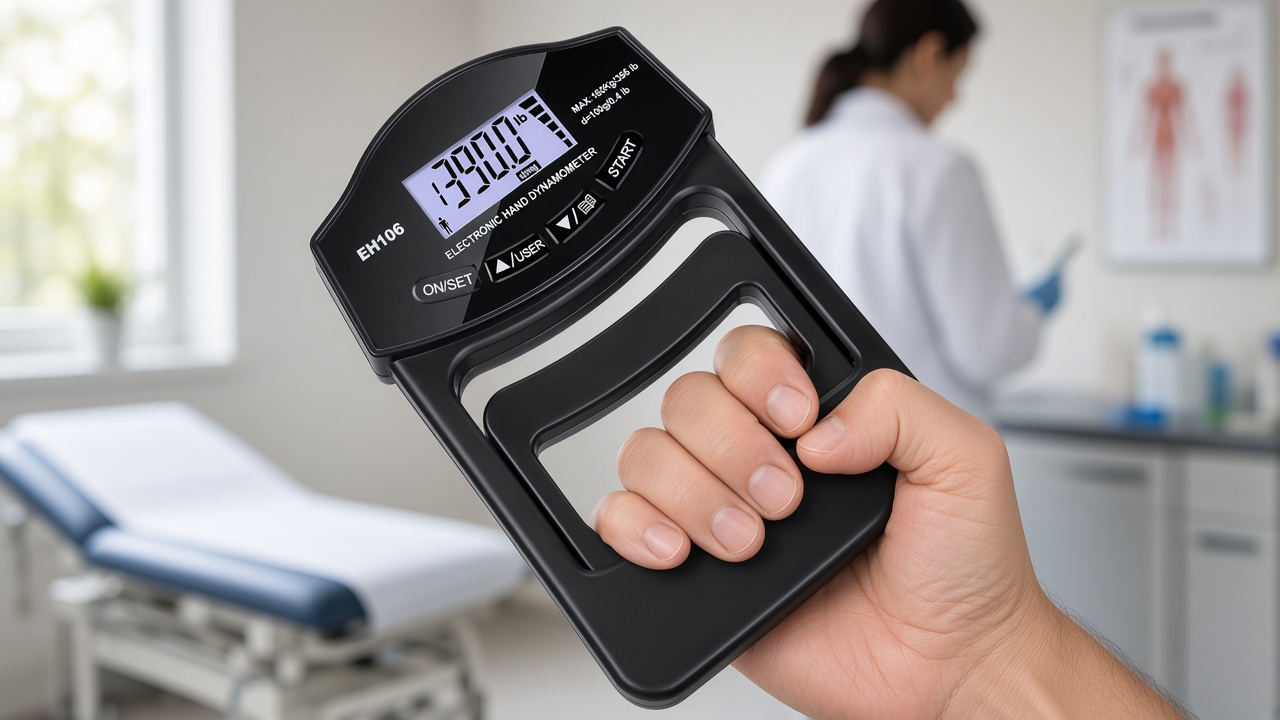
Of all the ways researchers have tried to predict how long someone will live, few are as simple, or as well-supported, as a basic hand-grip strength test. It takes seconds, requires no special equipment beyond a dynamometer, and yet correlates with overall mortality risk strongly enough that some researchers consider it a genuine vital sign.
Why a Hand Grip Predicts So Much More Than Hand Strength
Grip strength isn't really measuring your hands, it's a proxy for overall muscular health, which in turn reflects broader physiological reserve, nutritional status, and even cardiovascular and metabolic function. Large population studies have found that lower grip strength correlates with higher rates of all-cause mortality, cardiovascular disease, and disability, independent of age and many other risk factors.
The Research Behind the Connection
Several large longitudinal studies, following tens of thousands of participants across multiple countries, have found grip strength to be as predictive of mortality risk as traditional measures like blood pressure, and in some analyses more predictive than that alone. This isn't a fringe finding, it's been replicated across diverse populations and age groups consistently enough to shift how some clinicians think about functional health screening.
Muscle Mass Decline Is a Quiet, Ongoing Process
Sarcopenia, the progressive loss of muscle mass and strength that begins as early as the 30s and accelerates after 60, is the underlying process grip strength is indirectly measuring. Unlike more dramatic health events, sarcopenia develops gradually and often goes unnoticed until a fall, a hospitalization, or a basic task becomes noticeably harder, which is exactly why a simple objective measure like grip strength has clinical value.
What a Low Score Actually Signals
A below-average grip strength reading doesn't mean someone is destined for poor outcomes, but it does flag reduced physiological reserve, meaning less capacity to recover from illness, surgery, or injury. This is clinically useful information precisely because it's actionable, unlike many risk factors, muscle strength responds meaningfully to intervention at almost any age.
Strength Training Is the Most Directly Supported Intervention
Resistance training, even started later in life, has been shown to meaningfully improve grip strength and broader muscle mass, with research showing benefit even in people starting in their 70s and 80s. This matters because it reframes grip strength from a passive marker into something with a clear, evidence-backed path toward improvement.
Where This Fits Into a Broader Picture
Grip strength is one data point among several that matter for a complete longevity picture, alongside cardiovascular fitness and chronic disease management. A longevity-focused evaluation considers these measures together rather than any single number in isolation, since no single metric tells the whole story on its own.
Getting an Accurate Picture of Your Health in Coppell, TX
A quick grip strength measurement provides real, research-backed insight into overall physiological resilience, something harder to glean from typical screening tests alone. Dr. Divya Javvaji at Prime MD Plus in Coppell, TX can incorporate this and other functional measures into a genuinely complete longevity assessment.
Frequently Asked Questions
Is grip strength really as predictive as blood pressure for mortality risk?
In several large studies, yes, grip strength has shown comparable or even stronger predictive value for overall mortality risk than traditional measures.
At what age does muscle strength typically start declining?
Sarcopenia can begin as early as the 30s, though the decline accelerates more noticeably after 60.
Can grip strength actually be improved, or is it mostly genetic?
Resistance training has been shown to meaningfully improve both grip strength and overall muscle mass, even in people starting later in life.
Does a low grip strength score mean something is definitely wrong?
Not necessarily, it's a risk indicator rather than a diagnosis, but it does suggest reduced physiological reserve worth addressing.
How is grip strength actually measured in a medical setting?
Using a handheld device called a dynamometer, which takes only a few seconds and requires no special preparation.