
Osteoporosis has earned the nickname "the silent disease" for good reason. It usually causes no pain or obvious symptoms until a fracture happens. Knowing the subtle warning signs can help you catch it before that first break, and it is a central focus of geriatric care at Prime MD Plus.
Early and Subtle Symptoms to Watch For
Because bone loss itself does not hurt, the signs are often indirect. Watch for gradual loss of height, where more than one to two inches over the years can signal spinal compression, a stooped or hunched posture sometimes called a dowager's hump, back pain that develops without a clear injury, often from a small compression fracture in the spine, fractures from minor falls or bumps that would not typically break a bone, such as a wrist fracture from a stumble or a hip fracture from a low fall, receding gums, which can sometimes reflect jawbone density loss, and weaker grip strength, which research links to overall bone density.
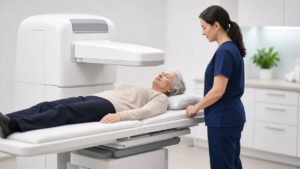
If several of these apply to you, that is a reasonable basis for a DEXA scan rather than waiting for a fracture to confirm it. Unexplained back pain in particular deserves its own look, and our guide on When to See a Doctor for Back Pain can help you decide how urgently to act.
Why Fracture Prevention Is the Real Goal
A hip fracture in an older adult is not just a broken bone, it is one of the most significant events that can accelerate loss of independence. The real objective of osteoporosis care is not just a better bone density number, it is preventing the fall and fracture altogether.
How to Lower Fracture Risk
To strengthen the bone itself, focus on adequate calcium and vitamin D through diet first and supplements as needed, weight bearing and resistance exercise, which signals bone to maintain density, and medication when density is already significantly reduced.
To reduce fall risk around the bone, review medications that cause dizziness or low blood pressure, correct vision problems since outdated prescriptions are an overlooked fall risk, address balance issues directly through a balance assessment if dizziness or unsteadiness is a factor, as explained further in Vestibular Rehabilitation and Who It Helps, remove home hazards such as loose rugs, poor lighting, and cluttered walkways, and use supportive footwear rather than slippers or socks on hard floors.
Why This Belongs in Geriatric Care
Osteoporosis prevention works best when it is not treated as an isolated bone issue but as part of a coordinated plan that also looks at balance, medications, vision, and home safety, the full picture of what actually causes falls in older adults. This is the same whole patient approach that defines internal medicine at Prime MD Plus.
Worried about bone health or fall risk? Schedule a geriatric care visit with Prime MD Plus for a full assessment that looks at your bones, balance, and fall risk together, not just one piece at a time.
Medications Used to Treat Osteoporosis
When lifestyle measures alone are not enough, several medication options can meaningfully reduce fracture risk. Bisphosphonates are usually the first line treatment and work by slowing the cells that break down bone, allowing bone building cells to catch up over time. They are typically taken as a weekly or monthly pill, or occasionally as a yearly infusion for people who cannot tolerate the oral form.
For people with more severe osteoporosis or a history of fracture, bone building medications that actively stimulate new bone formation may be recommended, usually as a daily or monthly injection for a limited treatment period. Hormone related therapies can also play a role for some postmenopausal women, depending on their overall health profile and other risk factors.
Every medication option comes with its own set of considerations, including how long it should be used and what happens after stopping, which is why this decision works best as part of an ongoing relationship with a doctor who already knows your full medical history rather than a one time prescription. This is the same coordinated approach described in What Is Internal Medicine and When Should You See an Internist?, where managing a condition over years, not just treating a single data point, is the whole point.
When to Involve a Specialist
Most osteoporosis care can be managed through primary care, but some patients benefit from a referral to an endocrinologist or rheumatologist, especially if fractures continue despite treatment or if an underlying hormonal condition is suspected. Your primary care provider will typically coordinate this referral and continue to oversee your overall health, including medication management and monitoring for side effects. Staying consistent with follow-up visits, whether with your primary doctor or a specialist, gives you the best chance of catching problems early and adjusting treatment before a fracture occurs.
Frequently Asked Questions
What is usually the first noticeable sign of osteoporosis?
Most people have no symptoms until a fracture occurs. Subtle earlier clues can include gradual height loss, a stooped posture, or unexplained back pain from a small compression fracture.
Can osteoporosis be prevented after menopause?
It can often be slowed or managed even after menopause, through adequate calcium and vitamin D, weight bearing exercise, and in some cases medication, especially when started early.
How do I know if I need a bone density test?
Age, sex, fracture history, and risk factors like low body weight or steroid use all factor in. Women 65 and older and men 70 and older are generally recommended to get a DEXA scan.
Does osteoporosis only affect women?
No. While it is more common in postmenopausal women, men can develop osteoporosis too, particularly with age, certain medications, or low testosterone, and should be screened if risk factors are present.
What is the biggest risk factor for a fracture, bone density or falls?
Both matter, but falls are often the more immediate trigger. Addressing balance, vision, and home hazards alongside bone density gives the most complete fracture prevention plan.