Cholesterol management doesn't always have to start with a prescription. For many patients with mild to moderately elevated levels, diet and lifestyle changes can produce a meaningful shift, and understanding which changes actually have evidence behind them separates genuinely useful strategies from wellness trends that don't move the number much at all.
Soluble Fiber Has the Strongest Evidence Behind It
Soluble fiber, found in oats, beans, lentils, and fruits like apples and citrus, binds cholesterol in the digestive tract and helps remove it from the body before it's absorbed. Studies consistently show that increasing soluble fiber intake can lower LDL cholesterol by a meaningful margin, making it one of the single most evidence-backed dietary changes available without medication.
Replacing Saturated Fat, Not Just Cutting It
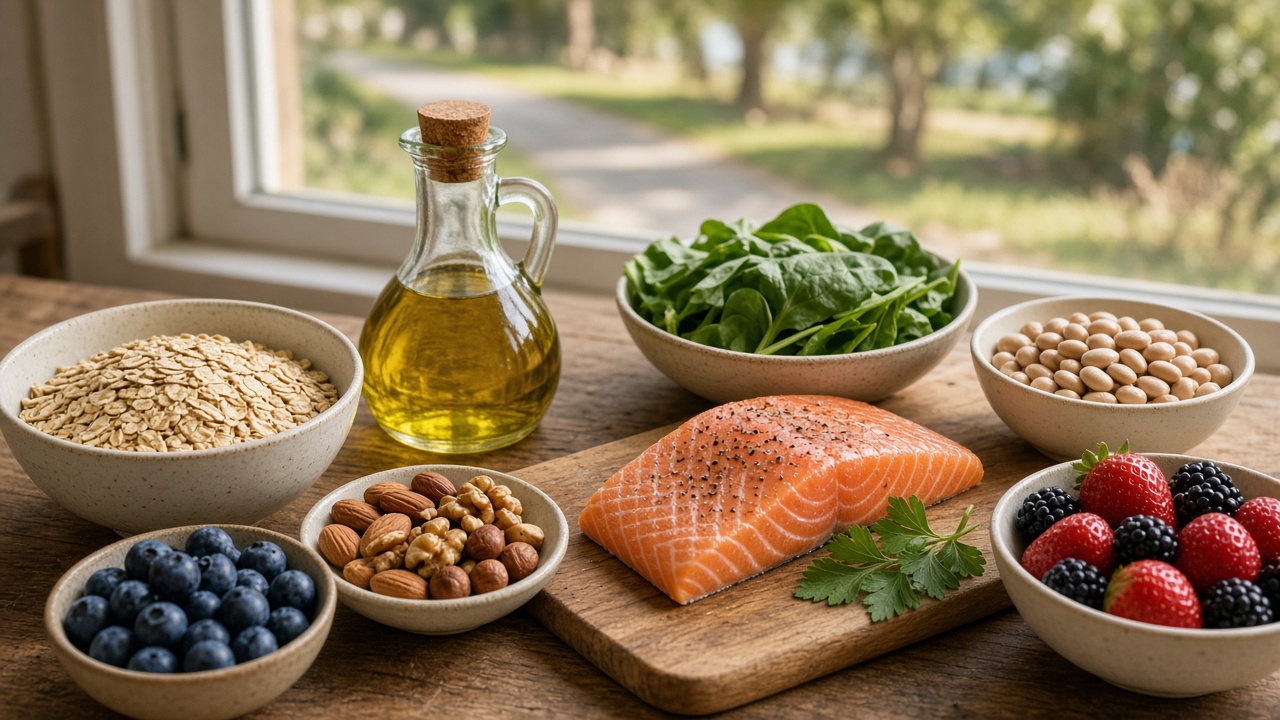
The research increasingly points to what you replace saturated fat with mattering as much as reducing it. Swapping saturated fats, found in red meat, butter, and many processed foods, for unsaturated fats from olive oil, nuts, and fatty fish tends to improve cholesterol more effectively than simply cutting fat overall, since some fat replacement strategies can inadvertently raise other risk factors.
Exercise Changes More Than Just Weight
Regular aerobic exercise raises HDL, the "good" cholesterol that helps clear LDL from the bloodstream, independent of weight loss. Even moderate, consistent activity, brisk walking most days, for example, has shown measurable benefit, which matters because it makes this one of the more achievable interventions for patients who find dramatic exercise overhauls unrealistic.
Weight Loss, Even Modest Amounts, Moves the Numbers
Losing even five to ten percent of body weight has been shown to improve the full cholesterol profile, lowering LDL and triglycerides while raising HDL. This doesn't require reaching an ideal weight to see benefit, which is an important distinction for patients who feel discouraged by larger weight-loss goals.
Plant Sterols and Stanols Have Real, Modest Evidence
Plant sterols and stanols, found naturally in small amounts in vegetables, nuts, and seeds, and added to some fortified foods, can modestly lower LDL cholesterol by interfering with its absorption in the gut. The effect is smaller than fiber or exercise but is well-documented and can be a useful addition alongside other changes rather than a standalone solution.
Where Natural Approaches Genuinely Have Limits
For patients with significantly elevated cholesterol or additional cardiovascular risk factors, lifestyle changes alone often aren't sufficient to reach a safe target, and that's not a failure of effort, it reflects genetic and physiological factors that diet can't fully override. A broader holistic care approach combines lifestyle strategy with appropriate medical oversight rather than treating the two as separate paths.
Getting an Honest Read on Where You Stand in Coppell, TX
Knowing which natural strategies actually have evidence behind them, and recognizing when they're genuinely enough versus when medication should be part of the plan, makes all the difference. Dr. Divya Javvaji at Prime MD Plus in Coppell, TX can help build a realistic, evidence-based plan tailored to your actual numbers.
Frequently Asked Questions
How much can diet alone lower cholesterol?
For mild to moderate elevations, dietary changes alone can produce a meaningful reduction, though the exact amount varies significantly by individual.
Is coconut oil a good choice for lowering cholesterol?
Despite popular claims, coconut oil is high in saturated fat and generally isn't supported by evidence as a cholesterol-lowering choice.
How long does it take to see results from lifestyle changes?
Many patients see measurable changes within six to twelve weeks of consistent dietary and exercise changes, though individual timelines vary.
Do I need medication if my cholesterol is only slightly high?
Not necessarily, this depends on your overall cardiovascular risk profile, not cholesterol numbers alone, which is why a full evaluation matters.
Can supplements replace the need for dietary changes?
Supplements like plant sterols can help modestly, but they work best alongside, not instead of, the dietary and exercise changes with the strongest evidence.