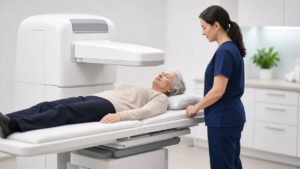

If you leak a little when you laugh or sneeze and sometimes feel a sudden, hard to control urge to go, you might assume you have two separate problems. Often, it is one condition called mixed incontinence, and it is more common, and more treatable, than most people realize. It is one of the main concerns we treat with Emsella at Prime MD Plus.
What Mixed Incontinence Is
Mixed incontinence is the combination of two distinct types of urinary incontinence happening in the same person. Stress incontinence is leakage triggered by physical pressure on the bladder, such as coughing, sneezing, laughing, lifting, or exercise, caused by weakened pelvic floor muscles and the structures supporting the bladder and urethra. Urge incontinence is a sudden, strong need to urinate that is hard to delay, sometimes resulting in leakage before reaching a bathroom, tied to bladder muscle overactivity.
Having both at once is extremely common, especially in women after childbirth or menopause, and in men after prostate procedures.
Why It Is Often Missed or Misdiagnosed
Many people, and even some clinicians, focus on treating whichever symptom is more noticeable, missing the other half of the picture. Someone treated only for urge incontinence might still leak with coughing, and someone treated only for stress incontinence might still have unresolved urgency. Effective treatment needs to identify and address both components.
How Mixed Incontinence Is Diagnosed
A proper evaluation typically includes a detailed symptom history, where a bladder diary is often genuinely useful, a pelvic exam, and sometimes urodynamic testing to measure how your bladder and pelvic floor are actually functioning under pressure. This distinguishes which component, stress or urge, is more dominant, which shapes the treatment plan.
Treatment Options
For the stress component, pelvic floor exercises known as Kegels, done correctly and consistently, are a common first step. Emsella is a non invasive chair based treatment that uses electromagnetic energy to stimulate thousands of pelvic floor muscle contractions per session, strengthening the same muscles targeted by Kegels, without undressing or downtime. In some cases, pessaries or surgical options are considered for more significant structural causes.
For the urge component, bladder training through scheduled voiding and gradually extending intervals can help, along with dietary adjustments such as reducing caffeine, alcohol, and bladder irritants, and medication to calm bladder muscle overactivity when needed.
Because Emsella strengthens the same pelvic floor muscles involved in both urgency control and stress leakage, many patients with mixed incontinence see improvement across both symptoms, not just the stress component.
What to Expect From Emsella Specifically
A typical Emsella protocol is a series of short, seated sessions, with no undressing, no downtime, and no recovery period. You can return to normal activity immediately afterward. Most patients complete a course of sessions over a few weeks, with improvement building progressively rather than all at once. Pelvic floor strength also plays a supporting role in overall core and balance stability, which connects to the kind of fall prevention covered in Osteoporosis Symptoms in Older Adults and How to Prevent Fractures.
You Do Not Have to Just Manage It
A lot of people quietly adjust their lives around incontinence, mapping bathrooms in advance, avoiding certain exercises, and skipping social plans, assuming it is just something that comes with age. Mixed incontinence responds well to the right combination of treatment, it does not have to be managed indefinitely. This is the kind of practical, quality of life focused care Prime MD Plus builds every treatment plan around.
Dealing with both leakage types and not sure where to start? Schedule an Emsella consultation with Prime MD Plus to get a proper diagnosis and a treatment plan that addresses both sides of mixed incontinence.
Lifestyle Habits That Support Treatment
Medical treatment works best alongside a few everyday habits that reduce strain on the bladder and pelvic floor. Maintaining a healthy weight reduces constant pressure on pelvic structures, which can meaningfully improve stress incontinence symptoms on its own. Staying well hydrated may seem counterintuitive, but concentrated urine from drinking too little can actually irritate the bladder and worsen urgency, so the goal is steady, moderate fluid intake rather than restriction.
Constipation is an often overlooked contributor, since straining and chronic pressure from constipation can weaken pelvic floor support over time, so a diet with adequate fiber matters more than most people realize. Avoiding bladder irritants such as excess caffeine, carbonated drinks, and artificial sweeteners can reduce urgency episodes for many people, and quitting smoking helps too, since chronic coughing from smoking places repeated stress on pelvic floor muscles.
These habits will not replace Emsella or other direct treatment for most people with mixed incontinence, but they meaningfully extend and support the results, which is why they are usually discussed together during an Emsella consultation rather than treated as a separate, optional conversation.
Frequently Asked Questions
What is the difference between stress and urge incontinence?
Stress incontinence happens with physical pressure like coughing or lifting, while urge incontinence is a sudden, hard to control need to urinate. Mixed incontinence involves both at the same time.
Can Emsella treat urge incontinence as well as stress incontinence?
Emsella is primarily known for strengthening pelvic floor muscles tied to stress incontinence, but many patients with mixed incontinence notice improvement in urgency symptoms too, since the muscles overlap.
Is Emsella painful or does it require any recovery time?
No. Emsella is non invasive, requires no undressing, and involves no downtime. Most people return to normal activities immediately after each session.
How many Emsella sessions are usually needed?
Most treatment plans involve a series of sessions over a few weeks, with improvement building gradually. Your provider will recommend a specific number based on your symptoms.
Is mixed incontinence common, or is it unusual to have both types?
It is actually quite common, especially in women after childbirth or menopause and in men after certain prostate procedures. Many people have some combination of both types.