
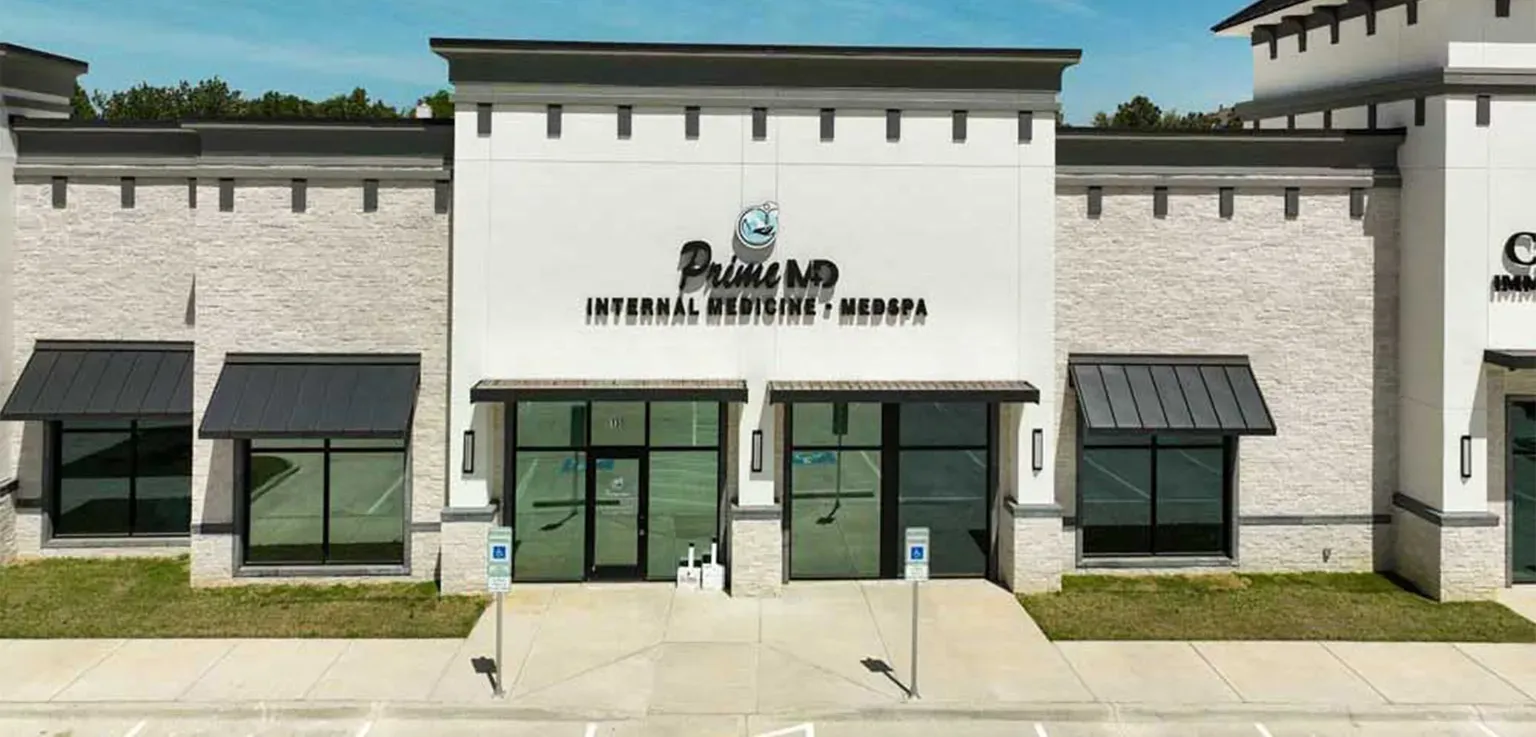
Most primary care practices look similar from the outside: a waiting room, a rotation of physicians, fifteen-minute appointment slots, and a focus on treating whatever issue brought a patient in that day. Prime MD Plus was built around a different model, one centered on a single physician’s dual training, longer and more thorough visits, and a philosophy that treats aging and chronic disease as connected problems rather than a list of separate complaints to address one at a time.
This article walks through the specific ways Prime MD Plus differs from a standard primary care practice, from the training behind the care to the day-to-day experience of being a patient.
Dual Training in Internal Medicine and Geriatrics
Dr. Divya Javvaji is double board-certified in both internal medicine and geriatrics, a combination that most primary care practices don’t offer under one roof. Internal medicine training focuses on the complex, interacting conditions common in adults, diabetes, hypertension, heart disease, while geriatric training adds a specific focus on the realities of aging: polypharmacy, mobility, cognitive changes, and the coordination of multiple specialists.
Most patients eventually need both kinds of expertise at different points in their lives, but typically have to switch physicians or add a new specialist as their needs change. At Prime MD Plus, that transition doesn’t require starting over with someone new. The same physician who manages a patient’s blood pressure and cholesterol in their fifties can also manage the more complex, age-specific concerns that tend to emerge later, without a gap in continuity or a new provider learning a patient’s history from scratch.
Longer Visits Built for Real Conversations
A defining feature of the Prime MD Plus model is time. Standard primary care visits are often compressed into ten or fifteen minutes, enough time to address one issue but rarely enough to have a genuine conversation about multiple concerns, lifestyle factors, or a patient’s broader health goals. Visits at Prime MD Plus are structured to allow for more depth, giving physician and patient the time needed to actually talk through what’s going on rather than rushing to the next item on a list.
This matters most for patients managing multiple chronic conditions or navigating a new diagnosis, situations where a few extra minutes can be the difference between leaving with real understanding and leaving with more questions than answers. It also supports the kind of follow-through that’s hard to achieve in a rushed visit, remembering details from a previous appointment, adjusting a plan that isn’t working, and catching small changes before they become bigger problems, a pattern closely tied to why continuity of care matters more than most people realize.
A Whole-Person Approach to Chronic Disease and Aging
Rather than treating each health issue in isolation, Prime MD Plus takes a connected view of a patient’s overall health. Blood pressure, weight, sleep, medication list, and cognitive status are all considered together, because they frequently interact in ways that get missed when each is evaluated separately during a quick, single-issue visit.
This shows up in practical ways: a conversation about fatigue might lead to a look at hydration, sleep, medication side effects, and thyroid function all at once, rather than addressing only the symptom that prompted the visit. It’s also reflected in services that go beyond a standard physical, including holistic care that considers lifestyle and whole-person wellness alongside traditional medical management, and dedicated attention to medication management for patients juggling prescriptions from multiple specialists.
Proactive, Preventive Care Rather Than Reactive Treatment
A standard primary care visit often happens in response to a specific complaint. Prime MD Plus is structured around the opposite approach: catching problems before they become diagnoses, through comprehensive health risk assessments, regular screening reviews, and ongoing monitoring of trends rather than isolated snapshots. This proactive orientation is part of why patients are encouraged to come in not just when something feels wrong, but as part of a consistent, ongoing relationship.
This preventive focus extends specifically to the aging process, with attention to issues that are easy to dismiss as “normal for your age” elsewhere, including early cognitive changes, fall risk, and the cumulative effects of long-term medication use, rather than addressing them only after they’ve become serious.
Coordinated Care Across Specialists
Patients managing chronic conditions often see several specialists, a cardiologist, an endocrinologist, a neurologist, each focused on their own area. Without a central point of coordination, it’s easy for medication lists to become inconsistent, for one specialist’s recommendations to conflict with another’s, or for important context to get lost between appointments.
Prime MD Plus functions as that central point, reviewing recommendations from specialists, reconciling medication lists, and making sure the full picture of a patient’s health, not just one piece of it, drives the overall care plan. For patients navigating multiple doctors without losing the thread of their care, this coordination is often the difference between fragmented care and a plan that actually holds together.
Experience the Difference in Coppell, TX
The differences between Prime MD Plus and a standard primary care practice aren’t cosmetic, they reflect a deliberate choice to prioritize depth, continuity, and whole-person care over volume and speed. For patients tired of rushed visits, inconsistent follow-up, or feeling like just another appointment on a packed schedule, that difference tends to be noticeable from the first visit.
Dr. Divya Javvaji and the team at Prime MD Plus in Coppell, TX welcome new patients looking for a primary care relationship built around real continuity and attention. If you’re evaluating your options for a new primary care physician, scheduling a visit is the most direct way to see what sets this kind of care apart.
Frequently Asked Questions
What does dual board certification in internal medicine and geriatrics mean for patients?
It means one physician can manage both standard adult health concerns and the more specialized needs that come with aging, without requiring patients to switch providers as their care becomes more complex.
How long are appointments at Prime MD Plus compared to a typical practice?
Appointments are structured to allow more time per visit than the standard ten-to-fifteen-minute model common at many primary care practices, giving room for a more thorough conversation about a patient’s full health picture.
Does Prime MD Plus only treat older adults?
No. While geriatric expertise is a core strength, Prime MD Plus provides primary care for adults of various ages, with the added benefit of geriatric-trained care available as needs evolve over time.
How does Prime MD Plus coordinate care with other specialists?
The practice reviews specialist recommendations, reconciles medication lists across providers, and keeps a patient’s overall health plan consistent, rather than leaving coordination up to the patient to manage alone.